
Reading paths · Five steps
Starting something
From an idea to a company that works, in the order the problems actually arrive.
-
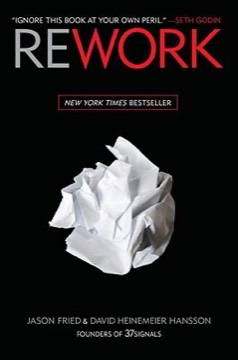
Rework
Jason Fried
First, because it removes assumptions before you inherit them. Short, blunt, and best read before you have committed to anything.
-
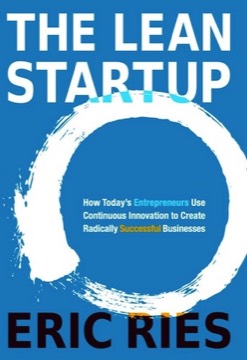
The Lean Startup
Eric Ries
Then a method for the only question that matters early: does anyone want this? Read for the discipline, not the vocabulary.
-
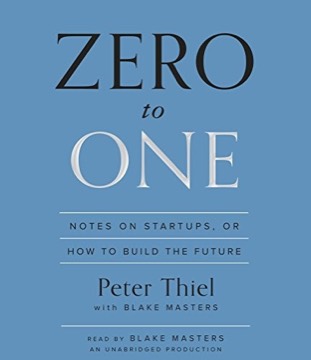
Zero to One
Peter Thiel
The counter-argument, and the sharper question — not whether it works, but whether it can defend itself once it does.
-
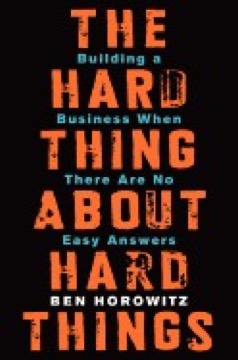
The Hard Thing About Hard Things
Ben Horowitz
What it costs once the thing exists. This is the one that stops the path being a plan and makes it a job.
-
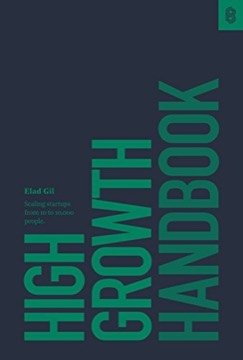
High Growth Handbook
Elad Gil
Last, and only if the previous problem is solved: the machinery of scaling, which is useless earlier and indispensable here.
A path is an order, not a syllabus. Every step says why it sits where it does, so you can disagree with the sequence on the evidence rather than on faith.