
Reading paths · Five steps
Design that disappears
Work backwards from the things that are obvious to use, towards why they are obvious.
-
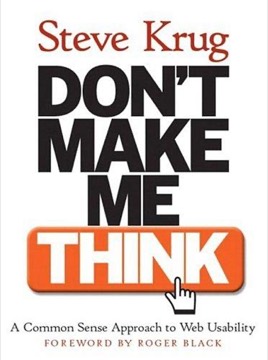
Don't Make Me Think
Steve Krug
The fastest useful lesson in the subject, and short enough that there is no excuse for skipping it.
-
The Design of Everyday Things
Donald A. Norman
The foundation the previous book is applying. Doors, taps and stoves, and then everything else.
-
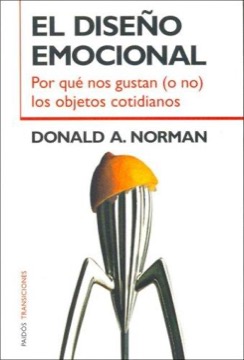
Emotional Design
Donald A. Norman
Norman's own correction: usable is not the same as wanted, and he had to write a second book to say so.
-
Universal Principles of Design
William Lidwell
A reference to keep rather than a book to finish. Placed here because it is only useful once you have the arguments.
-
The Visual Display of Quantitative Information
Edward R. Tufte
Last and hardest: the same discipline applied to information, where there is nothing to hide a bad decision behind.

A path is an order, not a syllabus. Every step says why it sits where it does, so you can disagree with the sequence on the evidence rather than on faith.