
Reading paths · Five steps
Manga from the beginning
Seventy years in five books, chosen so that each one is answering something the last one established. A route in for a reader who has never opened a Japanese comic.
-
Astro Boy
Osamu Tezuka
Begin where the grammar was written. Tezuka turned a static page into edited footage, and the civil-rights argument underneath the adventure is sharper than its reputation suggests.
-
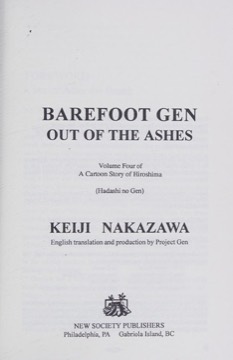
Barefoot Gen
Keiji Nakazawa
Second, for what the form could be made to carry. Nakazawa survived Hiroshima at six and drew it in a children's weekly, which is the whole argument about the medium's range in one book.
-
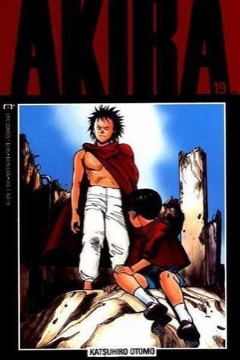
Akira
Katsuhiro Otomo
Now the break with Tezuka's line: proportioned figures, dense architecture, and a city drawn rather than implied. This is the work that carried manga to readers outside Japan.
-
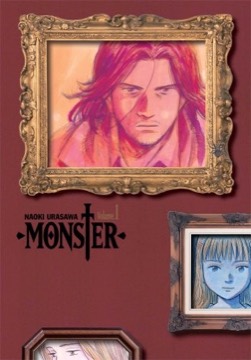
Monster
Naoki Urasawa
Urasawa applies that realism to a long thriller, and demonstrates that the form can hold eighteen volumes of patient character work without a single explosion.
-
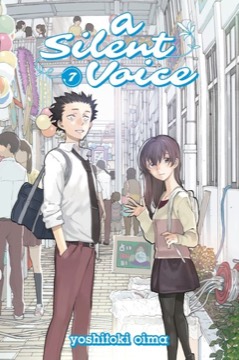
A Silent Voice
Yoshitoki Oima
Last, and the shortest: no scale, no spectacle, and a question about whether an apology can do anything. The medium at its most ordinary and its most demanding.

A path is an order, not a syllabus. Every step says why it sits where it does, so you can disagree with the sequence on the evidence rather than on faith.