
Reading paths · Five steps
Where the gothic came from
The house that will not let you leave, the narrator you cannot trust, and two centuries of writers rebuilding the same machine for different fears.
-
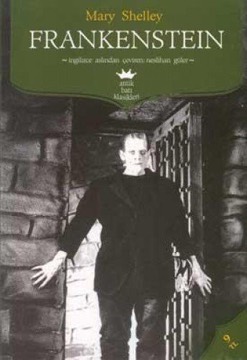
Frankenstein
Mary Shelley
Start at the origin. Everything the genre later does with creation, abandonment and the thing that comes back to ask why is already here, in a novel written at eighteen.
-
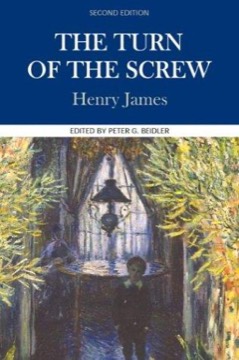
The Turn of the Screw
Henry James
Second, because it introduces the device the rest of the shelf runs on: a narrator whose account is the only evidence, and who may be the danger.
-
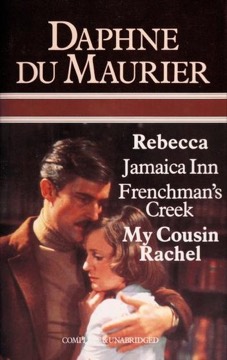
Rebecca
Daphne du Maurier
The template for the modern form. A house organised around an absent woman, and a narrator with no name and no standing.
-
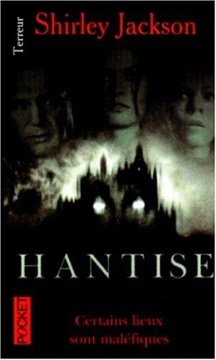
The Haunting of Hill House
Shirley Jackson
Jackson takes the same apparatus and removes every explanation, which is why nobody has improved on it since.
-
Mexican Gothic
Silvia Moreno-Garcia
Last, because it turns the machinery around: the isolated English family in a decaying house is the coloniser, and the conventions finally have something to do.

A path is an order, not a syllabus. Every step says why it sits where it does, so you can disagree with the sequence on the evidence rather than on faith.