
Reading paths · Five steps
How the spy novel grew up
From two men in a boat to a service auditing itself. The espionage novel learned, over sixty years, that the interesting enemy is usually domestic.
-
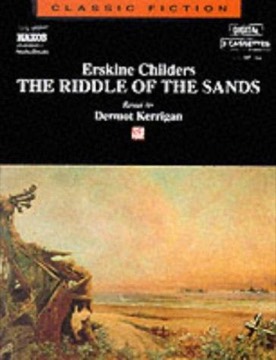
The Riddle of the Sands
Erskine Childers
Start before the genre existed. Two amateurs on holiday find a state secret with a lead line and a tide table, and almost every convention that follows is already in outline here.
-
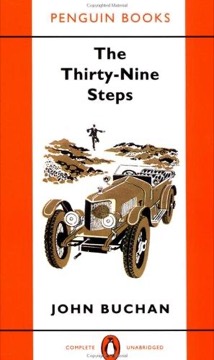
The Thirty-Nine Steps
John Buchan
Second, for the invention that made the form move: a man hunted by the police and by the conspirators at once, with no safe direction to run in.
-
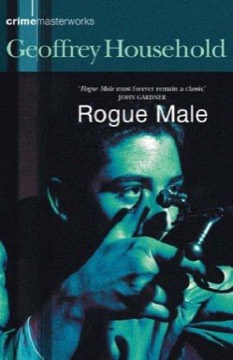
Rogue Male
Geoffrey Household
The same chase, turned inward. Household narrows it until his narrator is living in a hole in a Dorset lane, which is where the genre discovers interiority.
-
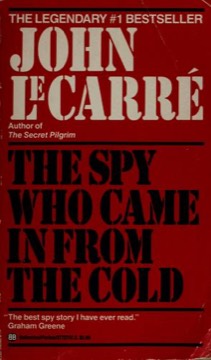
The Spy Who Came in from the Cold
John le Carré
The break. Published into a fiction of casinos and gadgets, it gives both services the same instrumentality and refuses to let nationality settle the moral question.
-
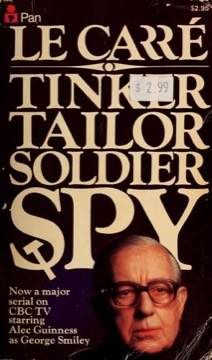
Tinker Tailor Soldier Spy
John le Carré
Last, because it is the destination: no chase at all, a man reading expense claims in rented rooms, and an institution that turns out to be the only thing worth investigating.
A path is an order, not a syllabus. Every step says why it sits where it does, so you can disagree with the sequence on the evidence rather than on faith.